• Skip to primary navigation
  • Skip to main content

Signature Fiberglass Pools Chicago Swimming Pool Builder Illinois

Fiberglass Swimming Pool Builder serving Chicago and Illinois

(630) 845-1145 info@signaturepoolschicago.com
  • Pool & Spa Models
  • Pool Info
    • Pool Pricing
    • Pool Buying Process
    • Why Fiberglass?
    • Patio/Deck Options
    • FAQ’s
    • Downloads
  • About Us
  • Gallery
  • Contact
  • Receive an Estimate
  • Show Search
Hide Search

SignaturePools

Which is better a Chlorine Feeder or a Salt Generator?

SignaturePools · Jun 13, 2010 ·

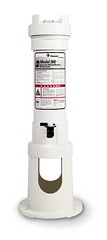
chlorine feederPentair IntelliChlor

One of the most exciting advancements in residential swimming pool technology has been the development of salt water chlorine generators.  This type of system works on vinyl and concrete pools but is expecially effective on fiberglass swimming pools and makes them even easier to maintain.  These systems are used as a replacement to an in-line chlorine feeder that sanitises the pool water. But, as with anything ‘new and improved’, there are pros and cons to the products and a few common misconceptions.  Here are a few things to keep in mind when deciding which kind of sanitation to use on your fiberglass swimming pool.


 Chlorine Feeder: Cons

-Uses processed chlorine tablets that dissolve into your pool water

-A manual hand valve is used to control amount of chlorine put into the pool

-Chlorine may cause unpleasant odor, uncomfortable skin and eyes, and faded bathing suits

-Tablets must be added to unit continually throughout the season

Chlorine Feeder Pros:

-Chlorine is being added to the pool as long as filter pump is running

-Unit does not need to be cleaned or serviced throughout the season

Misconception: Chlorine feeders are expensive  because the tablets need to be replaced all the time.

Truth: A typical fiberglass swimming pool owner in the Midwest will spend between $100-$200 for a year supply of chlorine

Salt Water Chlorine Generators: Pros

-Chlorine is produced in its natural state and added into the water.

-No detectable taste, odor, or discomfort on skin.

-Chlorine level is controlled electronically

Cons:

-Salt level in the pool must be maintained within a certain range in order for unit to produce chlorine

-Cell must be acid washed several times a year to remove mineral deposits

-Chlorine is only produced when pump is in high speed

-Cell can deteriorate over time and will need to be replaced

-Stabilizer must be added to pool water to help prevent chlorine burn-off from sunlight

Misconception: Chlorine generators provide a completely automated system and no other chemicals need to be checked in the swimming pool.

Truth:Even though chlorine is produced by the cell, all other chemicals- pH, Alkaline, Stabilizer etc- need to be tested and regulated manually.

The decision is ultimatly up to the customer to decide.  We at Signature Pools highly recommend salt water generators to our clients because of the ease of use and resulting water condition of the pool.  However, these systems are not for everyone and do not replace the need for regular chemical checks.  If you have any questions about chlorine generators or in-line feeders, please feel free to contact Signature Pools and Spas at 630.845.1145.
There is air in my pool pump

SignaturePools · Jun 2, 2010 ·

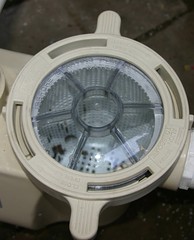
Pentair pump lid

This past week we have received several calls from customers asking about their pool pumps. In many cases they are not able to prime the pump completely or it looses prime when turned off. Here are a few things to look for if you come across this issue yourself.

1. Pump Lid- Make sure the lid for the pump is seated correctly and tightened all the way. Also check and see that the gasket between the lid and pump housing is in place and lubricated. A damaged, worn, or misaligned lid or seal can cause the pump to suck in air- preventing a full prime.

2. Skimmer and pump basket-check both the basket in the skimmer and inside the pump housing to make sure they are sitting correctly in place. A skimmer basket should align flush to the bottom of the skimmer pot. The pump basket should always be seated in the bottom of the pump. Many pump manufacturers such as Jandy and Pentair have a notch in the top of the basket that lines up with a grove inside the pump.

3. Water Level- make sure the water level is high enough in your pool. If it’s too low, air can be sucked through the skimmer and into the pump. Over time, this air can damage your pool equipment.

4. Loose pump union- check the threaded plumbing on the front of your pump. A loose union fitting may be allowing air to leak into the pump. Make sure to also check that the gaskets between the union fittings are also seated correctly and in place.

Preventing air from leaking into your circulation pump is important to keeping your pool equipment working well for years to come. If you have any questions about pool pumps, or any other pool equipment and maintenance, feel free to contact us at Signature Pools or call 630.845.1145.

What is wrong with my chlorine generator?

SignaturePools · May 28, 2010 ·

Pentair IntelliChlorSo your pool is up and running and the kids are ready to jump in the cool, refreshing water- but there’s a problem!  The pool water is all cloudy, maybe even green!?!  What gives?? You have a chlorine generator…no chemicals needed, right?

Not exactly….

Many pool owners have a misconception about what their chlorine generator (salt system) actually does.  Here are a few ground rules to keep in mind when maintaining your system.

1. Salt Level:  Make sure the NaCl (salt) is at the proper level in your pool water.  This measurement is made in parts-per-million (ppm) and should normally range between 2700 ppm and 3400 ppm.  Your pool equipment should have either a light indicator or internal digital salt tester to let you know if the level is correct.  If you have doubts about the accuracy of the equipment, use an independent testing agent to verify the results.  An easy test strip available from your local pool supplier will do the trick.  I personally like the AquaCheck brand for ease of use.

2.  System Diagnostics:  Once you verify the proper salt level in your pool water, you may want to run a quick diagnostics check of the salt cell to make sure it is running properly.  Most chlorine generator systems have a diagnostic mode that will measure the current that is running through the cell.  This will indicate whether or not the system is functioning properly.

3.  Clean the Cell:  Over time, calcium and other minerals will collect on the internal fins of the salt cell.  By cleaning the cell with an acid solution you will boost and extend the performance of the chlorine generating system.  Refer to your owners manual and manufactures’ recommendations for this process because every system is different.

 ALWAYS USE CAUTION WHEN HANDLING ACID AND OTHER POOL CHEMICALS!

4. Test your chemicals:  Many people think that having a chlorine generator means they don’t have to worry about chemicals for their pool AT ALL.  This is simply not true!!!  Staying on top of pH, Alkaline, and Stabilizer will greatly enhance the performance of your chlorine generator.  If these other levels are out of balance you may not be producing enough chlorine to safely sanitize the pool water.

Follow these simple steps to make sure your salt water pool runs smoothly, safely, and effeciently all season long.  If you have further questions about chemicals, or would like to speak to us directly, please feel free to contact Signature Pools and Spas, Inc or give us a call at (630) 845-1145.

Five important steps to take after your fiberglass pool is opened for the summer…

SignaturePools · May 17, 2010 ·

In Ground Fiberglass Pool- Signature Pools ChicagoSo your swimming pool is open for the summer!  It’s time to grab those patio cushions out of the garage, put on your suit, and get the blender workin’ hard for the parties to come….

Not so fast!!  Before you jump in the water for the first time this season, there are a few things to check with the swimming pool equipment and water chemistry.  Here are some good tips to remember to ensure your swimming season is relaxing, enjoyable, and low maintenance. 

1. Clean Your Filters- when the pool is first started up for the season, there is plenty of debris in the water that is now being circulated through the pool equipment and cartridge filter.  By giving the filters a good washing at the beginning of the season, you will have clearer water more quickly, and allow for proper filtration of the water.

 2. Test Your Chemicals- this is an important step to remember.  Your pool was most likely ‘shocked’ with chlorine the day it was opened and started up.  This water treatment will sanitize the swimming pool for a short period of time, but you will need to make sure chlorine levels are maintained throughout the season.  Also make sure to check the pH, alkaline, and stabilizer levels of your pool water.  If you have a chlorine generator (salt system) make sure the salt levels in your pool water are at the proper levels.

 3. Vacuum Your Pool- this one might be a no-brainer, but keep in mind that debris in the water has settled to the bottom of the pool over the winter and needs to be vacuumed out.  Make sure to clean out the pump after every vacuuming to clear any larger materials that are caught in the basket.

 4. Clean Your Auto-Cover- use a garden hose to spray out the tracks and guides of your auto-cover.  This will help keep the cover operating smoothly.  You can also use a pool brush and water to lightly scrub off the vinyl cover material of any dirt or debris that has collected over the winter.

 5. Maintain Proper Water Level- this is an ongoing maintenance check throughout the swimming season, but it’s good to get in the habit of checking your water level right away.  Keep the water line about half way up the skimmer box on the pool.  If the water level is too low, you may be sucking air into the pump and could damage the equipment.  Turn off the skimmer and fill the pool to the correct level before turning it back on.

 Hopefully these 5 tips will help you enjoy your swimming pool this season.  Feel free to contact us if you have any questions about pool or equipment service this season – the team at Signature Pools is here to help! You can stay up to date with Signature Pools and the swimming pool industry by subscribing to the RSS feed in the upper right hand corner of this page or by joining our Facebook Fan Page at www.facebook.com/SignaturePools.

When is the best time to build an inground swimming pool?

SignaturePools · Aug 13, 2009 ·

In Ground Fiberglass Pool- Signature Pools Chicago

Today we would like to take a moment to explain the advantages and disadvantages of building a swimming pool at various times of the year in Illinois. Many customers are concerned about schedules, length of construction, and backyard disruption when deciding when to build a fiberglass pool.

Spring: Just as the snow and wind lifts from the midwest, many people consider installing an inground pool before the hot weather forces them back into air conditioned houses- or worse yet, the public swimming pool…surrounded by hundreds of fellow water-seekers sitting too close, and screaming childeren all around.  This is a great time to start construction of an inground fiberglass swimming pool because it insures that you will be able to take full advantage of the warm summer weather. Signature Pools’ schedule is not typically booked for the entire year in spring, so you will be able to get a spot for installation before it really heats up. The disadvantage to starting a project in ths springtime is that the ground tends to be a bit softer. This means that the digging of the pool is a bit easier but more messy. Our crews are as careful as possible when excavating and preparing your yard for the pool, but expect some tire ruts and mud through the construction access area.

Summer: The summer months in the midwest remind us all to jump into a pool, splash around with friends, and soak in the sun. Since the summer heat can seem unbearable at times, it’s the most likely time for customers to call us and say “I want a pool….yesterday! Seriously, when can you start?!?” We hear it all the time and understand completely. The advantage to building at this time of the year is that the need is immediate. People most appreciate their pool when they realize they can’t live without it! The only disadvantage to this season is scheduling. Obviously Signature Pools is most busy through the summer months, so it can be a difficult time to get your own pool built right away. Also keep in mind that buiding permits for your pool project can take up to 2-4 weeks with the village and may delay the start of construction. These permits are typically included in the purchase of your pool but MUST be obtained by our office before we can begin construction.

Fall: As the leaves change and a breeze rolls in from the north, many people are not thinking about swimming…but what about a hot tub? The fall season is a great time to relax in your very own therapeutic spa or hot tub. Signature Pools offers a variety of inground spas that are perfect for relaxing evenings. Swimming Pools are also built in this time, as people would like construction to be completed before the winter months, and the pool ready to jump in right away in the spring. Disadvantages to this time of year depend on the weather. Signature Pools can actually install fiberglass pools year-round, but the fall months present a few challanges; heavy rains, freezing tempatures, and bitter cold may get in the way of construction schedules. But for the most part fall is the perfect time to install a fiberglass swimming pool. Our work load is not as hectic and you’re probably not desperate for us to finish the project in time for a Thanksgiving dinner pool-side.

Winter: Believe it or not, winter is the time when potential customers should be doing the most research and contacting pool builders for information and pricing. Because the winter will slow construction for a few months, our staff has the opportuninty to design and consult with customers without the pressure of a 1-2 week deadline. Building permits are most easily obtained in the winter months because villages are not as busy with other construction projects. Having many decisions and choices made over the winter makes the construction process go much smoother (and quicker) once the weather clears. The only disadvantage to the winter is that the weather prevents us from pouring the concrete patio area around your pool. Once the warmer temperatures come back (usually in the early spring) we are able to complete this step and finish the project.

If you have further questions about the design, scheduling, and installation of inground fiberglass swimming pools, please feel free to contact us at 630.845.1145 or visit us on the web at: www.sigpoolschicago.mysites.io

  • « Go to Previous Page
  • Page 1
  • Interim pages omitted …
  • Page 3
  • Page 4
  • Page 5
  • Page 6
  • Page 7
  • Interim pages omitted …
  • Page 11
  • Go to Next Page »

Copyright © 2026

  • Home
  • About Us
  • Pool Info
  • Blog
  • Gallery
  • Testimonials
  • News
  • Contact Us